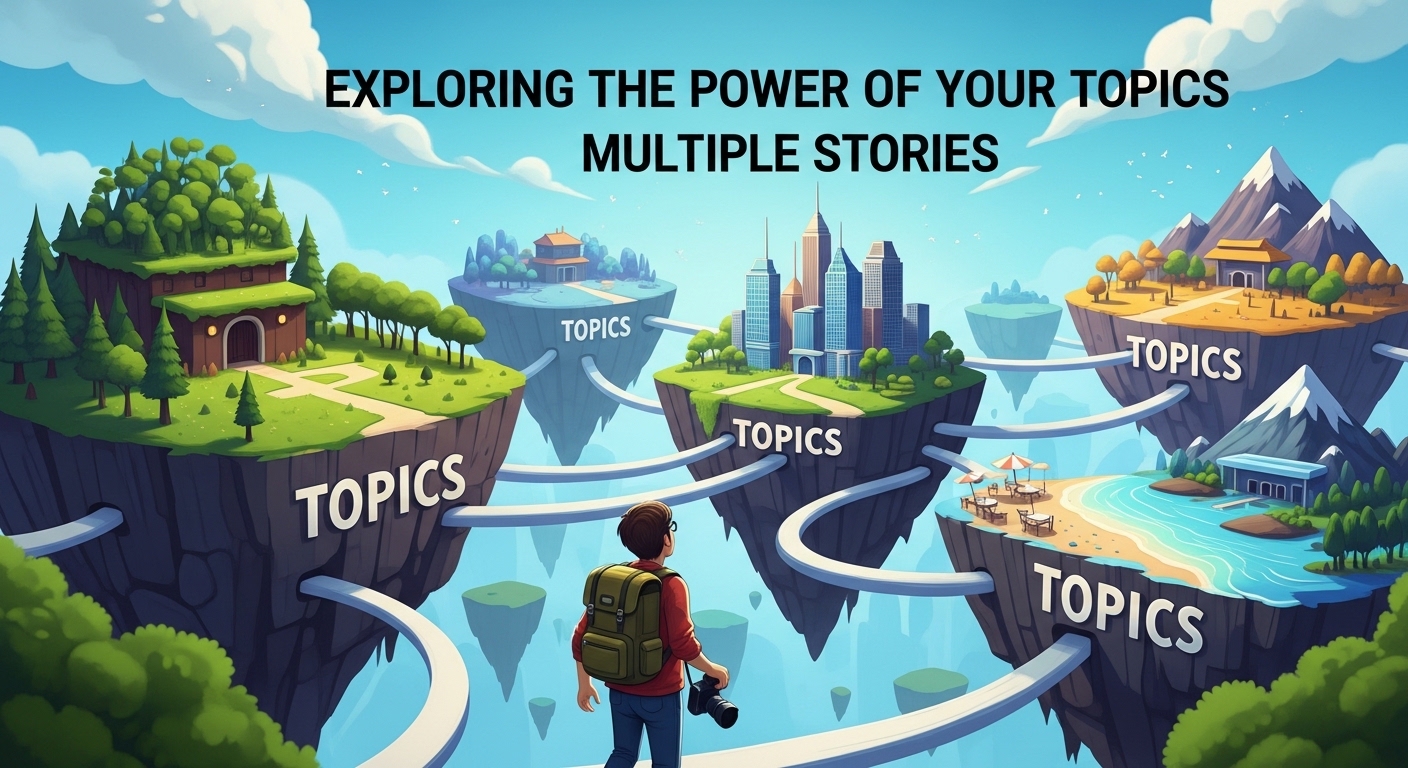

Every great story has layers. Just like an onion, peeling back those layers reveals deeper meanings, connections, and insights. When we talk about your topics multiple stories, we’re diving into a rich narrative technique that enhances the reader’s experience. Imagine a book or film weaving together different narratives—each thread intricately linked yet distinct. This approach invites audiences to explore various perspectives while engaging them in a more profound journey.
From classic literature to contemporary cinema, the art of intertwining stories captivates us and keeps us hooked until the very last moment. It’s not just about one character’s journey; it’s about how each story interacts with others to create something unique and powerful. Let’s unpack this fascinating concept further and discover how you can harness its potential in your own writing endeavors!
Understanding the concept of multiple stories in writing
Multiple stories in writing refer to the simultaneous exploration of different narrative arcs within a single work. Each story can stand alone yet contributes to a larger tapestry, adding richness and dimension.
This technique allows writers to present varied perspectives on a theme or event. Readers are drawn into multiple characters’ experiences, providing depth that a singular narrative might lack.
Think of it as an ensemble cast in film; each character has their own journey while collectively influencing the main plotline. This interplay creates tension, contrast, and resonance.
Moreover, these intertwining narratives can mirror one another or even clash dramatically. The relationships between them often reveal universal truths about human experience.
By employing multiple stories, writers invite readers on an intricate adventure that encourages emotional investment and critical thought throughout the unfolding tale.
How multiple stories can add depth and complexity to your writing
Multiple stories can transform your writing landscape. They introduce layers that engage readers on different levels.
When narratives intersect, they create a rich tapestry. Each thread contributes to the overall theme while allowing for diverse perspectives. This complexity invites readers to explore connections between characters and events.
Consider how subplots enrich main arcs. A side story might highlight a character’s internal struggle or reveal hidden motivations, enhancing understanding of the main plot.
Balancing multiple tales challenges writers but rewards them with depth. It encourages critical thinking as audiences untangle intertwined narratives.
Moreover, these varied experiences resonate emotionally, fostering empathy and reflection in your audience. The interplay of contrasting stories can provoke thought or elicit strong reactions.
Weaving together distinct yet related narratives elevates storytelling into an art form that captivates and inspires exploration beyond the surface.
Examples of successful use of multiple stories in literature and film
One of the most striking examples in literature is “Cloud Atlas” by David Mitchell. This novel intertwines six different stories spanning centuries, each influencing the other. The nonlinear narrative challenges readers while showcasing how interconnected lives shape history.
In film, “Pulp Fiction” directed by Quentin Tarantino does it masterfully. The non-chronological order and intersecting plots create a vibrant tapestry of characters and events. Each vignette adds layers to the overarching theme of fate and consequence.
Another brilliant example is “The Hours,” which weaves together the lives of three women from different eras connected through Virginia Woolf’s writing. Their struggles resonate across time, enriching our understanding of mental health and societal expectations.
These works illustrate that when multiple stories converge, they can illuminate deeper truths about human experience while keeping audiences engaged at every turn.
Techniques for effectively weaving multiple stories together
To weave multiple stories together seamlessly, start with a clear theme. This common thread will guide your narratives and keep them connected.
Next, employ parallelism. This technique allows the reader to see similarities or contrasts between characters or events, amplifying their emotional impact.
Transitions are crucial. Use smooth shifts in perspective or time to maintain flow without confusing your audience.
Consider point of view carefully as well; varying perspectives can enhance depth while keeping each story distinct yet interlinked.
Layering is another effective strategy—introduce one story at a time but hint at connections early on. This piques curiosity and draws readers in further.
Ensure resolution for each storyline but also leave room for ambiguity where needed. This invites engagement and discussion long after the last page is turned.
The potential impact on readers or viewers when multiple stories are used effectively
When writers skillfully intertwine multiple stories, the impact on readers or viewers can be profound. It invites them into a rich tapestry of narrative layers. Each character’s journey resonates differently, creating emotional connections that are both diverse and engaging.
This complexity encourages audiences to invest emotionally in various plotlines. They begin to see reflections of their own experiences within the characters’ struggles and triumphs. The depth allows for varied interpretations, fostering discussions long after the story ends.
Moreover, simultaneous narratives can illuminate themes from different angles. This multifaceted approach broadens understanding and deepens appreciation for the subject matter at hand.
When executed well, multiple stories create an immersive experience that lingers in memory. They challenge perceptions and evoke empathy, transforming passive consumption into active engagement with the material.
Potential challenges and pitfalls when using multiple stories in writing
Using multiple stories can be a double-edged sword. While it adds richness, it also risks confusing readers. When narratives diverge too much, the audience may lose track of the characters and their arcs.
Pacing is another challenge. Juggling various timelines requires careful timing to maintain engagement. If one story lags, it can bring down the entire piece.
Character development may suffer as well. With many protagonists vying for attention, some might feel underdeveloped or flat.
Then there’s coherence. The threads must connect in a meaningful way; otherwise, they appear disjointed and distract from your main message.
There’s the risk of over-complication. Too many plots can dilute your narrative focus and obscure its essence. Balancing complexity with clarity is crucial for keeping readers invested in every story you weave together.
Tips for incorporating multiple stories into your own writing projects
Start by identifying your main theme. This will serve as the backbone of your narrative. Each story should connect back to this central idea.
Next, outline each story arc separately. Consider how they intertwine and complement one another. This planning stage is crucial for clarity.
When weaving them together, use transitions effectively. A smooth shift from one narrative thread to another enhances readability and keeps your audience engaged.
Don’t shy away from contrasting tones or styles between stories. Different perspectives can enrich the overall experience.
Incorporate character overlaps where possible. Characters who exist in multiple stories create a sense of cohesion while adding depth to their development.
Be mindful of pacing. Balancing the focus on each narrative ensures that none feel rushed or neglected throughout your work.
Conclusion: Embracing the power and versatility
Embracing the power and versatility of your topics’ multiple stories can elevate your writing to new heights. When you harness these narratives, you create a rich tapestry that resonates with readers. This technique allows for unique perspectives and deeper connections.
As you explore this approach, remember that every story adds a layer. Each thread contributes to the larger narrative fabric you’re weaving. With thoughtful integration, these layers enrich character development and plot dynamics.
Navigating the complexities of multiple stories takes practice. Stay mindful of pacing and clarity to ensure your audience remains engaged without feeling overwhelmed. Use transitions wisely; they guide readers through different arcs seamlessly.
Tapping into diverse narratives not only enhances storytelling but also invites readers on an unforgettable journey filled with depth and meaning. The potential is vast—unlock it within your own writing projects today!
