
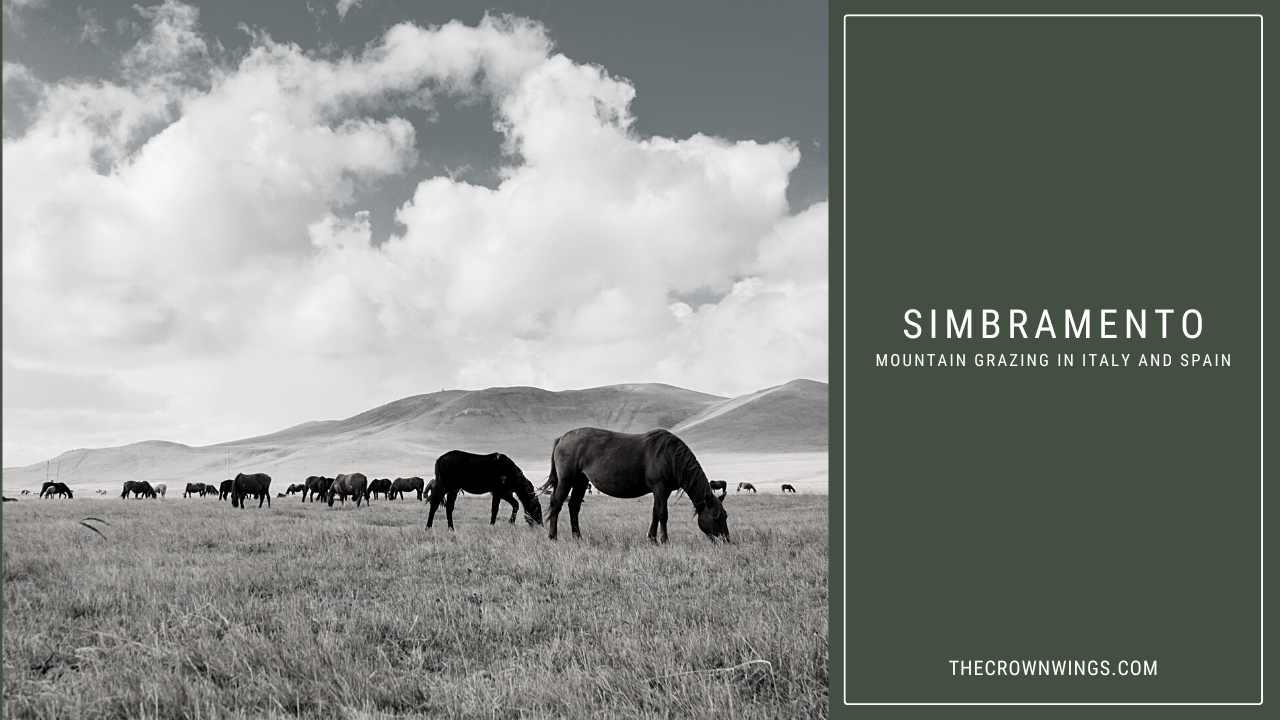

Nestled high in the mountains of Italy and Spain, a captivating tradition thrives: Simbramento. This unique practice of mountain grazing has deep roots in both countries, blending rich history with vibrant culture. As livestock roam freely through lush pastures, they not only shape the landscape but also contribute to sustainable farming practices that benefit the environment.
Simbramento is more than just a way of life; it’s an experience that connects people to their heritage and nature. From traditional dishes inspired by these pastoral lands to the stunning vistas you’ll encounter when visiting, there’s so much to explore within this age-old custom. Join us as we delve into the fascinating world of Simbramento and discover what makes it a cherished part of Italian and Spanish culture.
What is Simbramento?
Simbramento is a time-honored practice of mountain grazing, predominantly found in the rugged terrains of Italy and Spain. This method involves herding livestock, such as sheep and goats, into high-altitude pastures where they can graze on nutrient-rich grasses and wild herbs.
This seasonal migration typically takes place during the warmer months when animals benefit from fresh forage. Simbramento not only sustains local economies but also preserves traditional farming methods passed down through generations.
The name itself evokes imagery of pastoral landscapes dotted with grazing animals against breathtaking backdrops. It reflects a harmonious relationship between farmers and nature, showcasing sustainable practices that prioritize biodiversity and land conservation.
In essence, Simbramento encapsulates both agricultural heritage and ecological stewardship. It remains vital for maintaining cultural identity while promoting healthy ecosystems across these scenic regions.
The History and Culture of Mountain Grazing
Mountain grazing, or simbramento, has deep roots in Italy and Spain. This ancient practice dates back centuries, reflecting the close relationship between communities and their landscapes.
Shepherds would lead herds to high pastures each spring. They sought lush grasses while creating a sustainable balance with nature. These seasonal migrations shaped local cultures and traditions.
In many regions, simbramento is celebrated through festivals showcasing traditional music, dance, and food. The sheep’s wool became integral to craftsmanship as artisanal goods flourished alongside grazing practices.
The heritage of mountain grazing also tells stories of resilience. Generations have adapted techniques passed down over time while facing environmental changes and economic challenges.
This rich history is not just about livestock; it’s a testament to human ingenuity intertwined with the rugged terrain of mountains that continue to inspire pride among those who practice it today.
Benefits of Simbramento for the Environment
Simbramento offers a variety of environmental benefits that extend beyond the beautiful landscapes it creates. This traditional practice promotes biodiversity in alpine meadows, allowing various flora and fauna to thrive.
When livestock graze on mountain pastures, they naturally fertilize the soil. Their movement helps aerate the ground, enhancing nutrient cycling. As these animals roam, they contribute to maintaining healthy ecosystems.
Moreover, Simbramento plays a critical role in preventing wildfires. By managing vegetation density through grazing, it reduces fuel loads that could otherwise lead to devastating fires during dry seasons.
The practice also aids in carbon sequestration. Grazing animals help maintain grasslands that store carbon dioxide underground. This contributes positively toward combating climate change while supporting local livelihoods and preserving cultural heritage.
These ecological advantages make Simbramento not just an agricultural method but a vital component of sustainable land management practices in mountainous regions.
Challenges faced by Simbrantes
Simbrantes face numerous challenges in their pursuit of traditional mountain grazing. One major issue is climate change, which affects pasture quality and availability. Changing weather patterns can lead to droughts or excessive rainfall, disrupting the delicate ecosystem that sustains livestock.
Another significant challenge is land use pressure. As urban areas expand, pastures are often replaced by development projects. This reduces accessible grazing lands for livestock and threatens age-old practices.
Economic factors also play a role. Many Simbrantes struggle with low market prices for pastoral products compared to industrial farming operations. It becomes difficult to maintain sustainable practices when profits are slim.
Additionally, younger generations may be less interested in continuing this tradition, leading to a decline in knowledge transfer about ancient techniques essential for successful grazing management. These hurdles create an uncertain future for Simbramento as these traditions fight to survive amidst modern pressures.
Traditional Dishes from Mountain Grazing
The culinary landscape shaped by simbramento is rich and diverse. Traditional dishes showcase the unique flavors of mountain-grazed livestock. Cheeses made from sheep and goat milk carry a distinct aroma, often enjoyed with rustic bread or drizzled with local honey.
Meat from these animals is equally noteworthy. Slow-cooked stews flavored with aromatic herbs reflect the pastoral lifestyle. The tender cuts are infused with the essence of wild grasses and flowers, creating a taste that transports you to the highlands.
Locals also prepare hearty soups featuring seasonal vegetables alongside grains like farro or barley. Each recipe tells a story of resilience and tradition, passed down through generations.
Desserts aren’t overlooked either; many feature ingredients sourced directly from mountainous regions, such as nuts or berries harvested in late summer. These sweet treats offer an authentic taste of this vibrant culture steeped in nature’s bounty.
How to Experience Simbramento as a Tourist
To truly experience Simbramento, immerse yourself in the breathtaking landscapes of Italy and Spain. Start your journey by visiting regions famed for their mountain grazing traditions. The rolling hills and vibrant pastures provide a picturesque backdrop.
Join guided tours that take you through shepherding routes. These excursions often include opportunities to interact with local farmers and observe their herding techniques firsthand.
Don’t miss the chance to sample authentic products derived from this ancient practice. Cheese made from sheep or goat milk is a must-try, showcasing unique flavors that reflect the diverse terrain.
Participate in seasonal festivals celebrating mountain grazing culture. These events feature traditional music, dance, and culinary delights straight from the heart of local traditions.
Consider staying at agriturismos—farm stays that offer an immersive experience in rural life while supporting sustainable practices within these captivating areas.
Conclusion
Simbramento encapsulates a rich tradition of mountain grazing that thrives in the stunning landscapes of Italy and Spain. This age-old practice not only connects communities to their heritage but also plays a vital role in preserving local biodiversity and enhancing the environmental landscape. While challenges exist, such as climate change and economic pressures, the resilience of Simbrantes showcases their dedication to sustainable agriculture.
The culinary delights born from this practice offer a taste of authenticity rarely found elsewhere, inviting food enthusiasts to explore traditional dishes that speak volumes about cultural identity. For travelers seeking unique experiences, immersing oneself in Simbramento allows for an unparalleled connection with nature and local traditions.
As interest grows around this ancient method of grazing, it becomes increasingly important to support these practices. Engaging with Simbramento is more than just appreciating its beauty; it’s about fostering respect for agricultural heritage that continues to shape the regions where it flourishes. Whether you are savoring artisanal cheeses or trekking through picturesque pastures, experiencing Simbramento promises unforgettable memories tied deeply to land and culture.
