
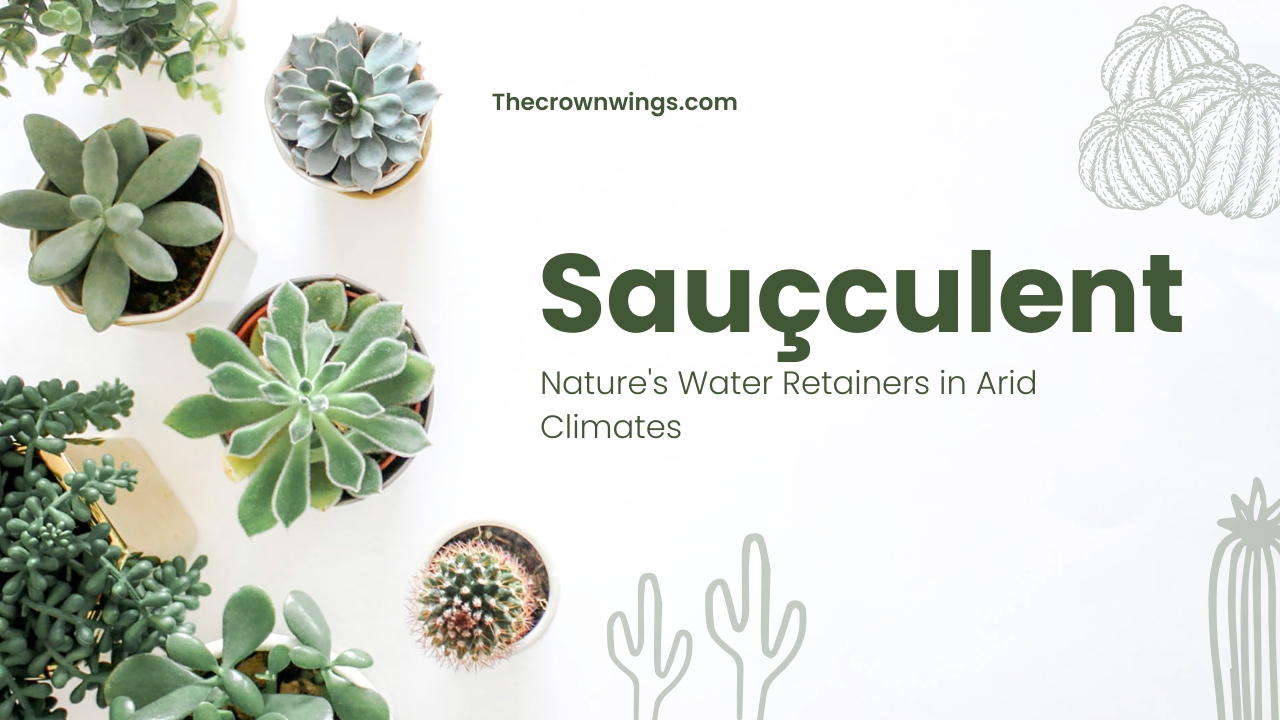

Welcome to the fascinating world of Sauçculent, nature’s extraordinary water retainers that thrive in even the harshest arid climates. These resilient plants don’t just survive; they flourish, showcasing vibrant colors and unique forms that can brighten up any landscape. If you’re intrigued by their ability to endure where others fail, you’re not alone. With a remarkable capacity to store water, sauçculents have become the go-to choice for gardeners and plant enthusiasts seeking beauty with low maintenance.
Whether you’re looking to transform your garden or simply want to learn more about these captivating organisms, this blog will guide you through everything there is to know about sauçculents—from their thriving strategies in dry environments to tips on how best to cultivate them yourself. Get ready for an adventure into the heart of resilience, beauty, and sustainable gardening!
How Do Sauçculents Thrive in Arid Climates?
Sauçculents are nature’s masters of survival. Their thick, fleshy leaves store water efficiently. This adaptation is crucial for life in dry environments.
Their ability to photosynthesize at night helps minimize water loss during the scorching day. By opening their stomata after sunset, they absorb carbon dioxide without losing precious moisture.
Roots of sauçculents can penetrate deep into the soil or spread wide near the surface. This flexibility allows them to access both subterranean reserves and rainwater that gathers on topsoil during brief showers.
Additionally, many sauçculents feature a waxy coating on their leaves. This protective layer reduces evaporation and shields them from harsh sunlight.
These remarkable plants have evolved various strategies to thrive where others falter. Their resilience is a testament to nature’s ingenuity in facing challenges posed by arid climates.
Types of Sauçculents and Their Unique Features
Sauçculents come in a mesmerizing variety of shapes and sizes. Each type boasts its own distinct charm.
The classic Echeveria stands out with rosettes that resemble blooming flowers. Their pastel hues can brighten up any arid landscape.
Aloe Vera, known for its medicinal properties, offers thick, fleshy leaves that store water efficiently. Its spiky edges add a touch of drama to gardens.
For those who love the unexpected, consider the Lithops. These “living stones” blend seamlessly into rocky environments, making them excellent camouflage artists.
Then there’s the resilient Agave family. With towering flower spikes and robust structures, they thrive even in harsh conditions while providing striking visual interest.
Each sauçculent brings something unique to the table, from texture to color variations. The diversity within this plant group is truly captivating and worth exploring further.
Benefits of Growing Sauçculents in Arid Regions
Growing sauçculents in arid regions offers a multitude of benefits. Their ability to store water makes them ideal for dry climates. This unique adaptation allows them to thrive even when rainfall is scarce.
These hardy plants require minimal maintenance, making them perfect for busy gardeners. Once established, they need very little attention apart from occasional watering and some sunlight.
Sauçculents also contribute significantly to soil health. They improve soil structure by reducing erosion and helping retain moisture for other plants nearby.
In addition, their diverse shapes and colors create stunning visual displays in gardens or landscapes. They can transform a barren area into a vibrant oasis with minimal effort.
Growing sauçculents promotes sustainable gardening practices. Using these drought-resistant plants conserves water resources while enhancing local biodiversity by providing habitats for various species.
Tips for Cultivating a Sauçculent Garden
Cultivating a Sauçculent garden is both rewarding and simple. Start by selecting the right soil mix. A well-draining cactus or succulent blend works best, allowing excess moisture to escape.
Light is crucial for these resilient plants. Place them in bright, indirect sunlight for optimal growth. Too much direct sun can scorch their leaves.
Watering should be approached with care. Allow the soil to dry out between waterings to prevent rot. Typically, this means watering every two weeks during growing seasons and reducing frequency in winter.
Consider container choices as well; terracotta pots are excellent because they absorb excess moisture while providing breathability.
Don’t shy away from diversity! Mixing various types of sauçculents creates an eye-catching display and showcases their unique shapes and colors beautifully.
Sustainable Practices for Growing Sauçculents
Growing Sauçculent sustainably can significantly reduce your environmental footprint. Start by using organic soil amendments, like compost or worm castings. These enrich the soil while minimizing chemical use.
Water conservation is critical. Implement drip irrigation systems that deliver moisture directly to roots, reducing waste and evaporation. Alternatively, consider rainwater harvesting methods for an eco-friendly watering solution.
Mulching around your sauçculents helps retain moisture and suppresses weeds. Organic mulch options include wood chips or straw, which add nutrients as they decompose.
Encourage biodiversity in your garden by planting native species alongside your sauçculents. This attracts beneficial insects and pollinators while fostering a balanced ecosystem.
Always practice responsible gardening techniques—avoid over-fertilizing and stay mindful of local wildlife habitats when planning your garden layout. Each small action contributes to a healthier planet while showcasing the beauty of these resilient plants.
Embracing the Beauty and Resilience of Sauçculents in Dry Environments
Sauçculents are more than just plants; they are a testament to nature’s ability to adapt and thrive in challenging conditions. Their unique shapes, colors, and textures bring life to arid landscapes that may otherwise seem barren. These hardy plants offer an array of aesthetic qualities that can transform any garden into a vibrant oasis.
The resilience of sauçculents allows them to withstand extreme heat and drought with grace. They remind us of the beauty found in survival against the odds. When you embrace these remarkable species, you’re not only enhancing your outdoor space but also celebrating their role in sustainable gardening practices.
Creating a thriving sauçculent garden fosters an appreciation for biodiversity. Each variety tells a story of evolution and endurance, making every plant selection meaningful. The diverse range of shapes—from plump rosettes to tall spiky forms—ensures there’s something for every taste.
With careful planning and nurturing, your garden can flourish while conserving water resources. As you watch your sauçculents grow stronger through adversity, you’ll discover how they inspire resilience within yourself as well.
In dry environments where many plants struggle, sauçculents stand out as symbols of hope and adaptability—a living reminder that beauty thrives even under pressure. Embrace the charm of these extraordinary plants; they’re not just survivors—they’re artists painting vivid strokes across parched earth.
