
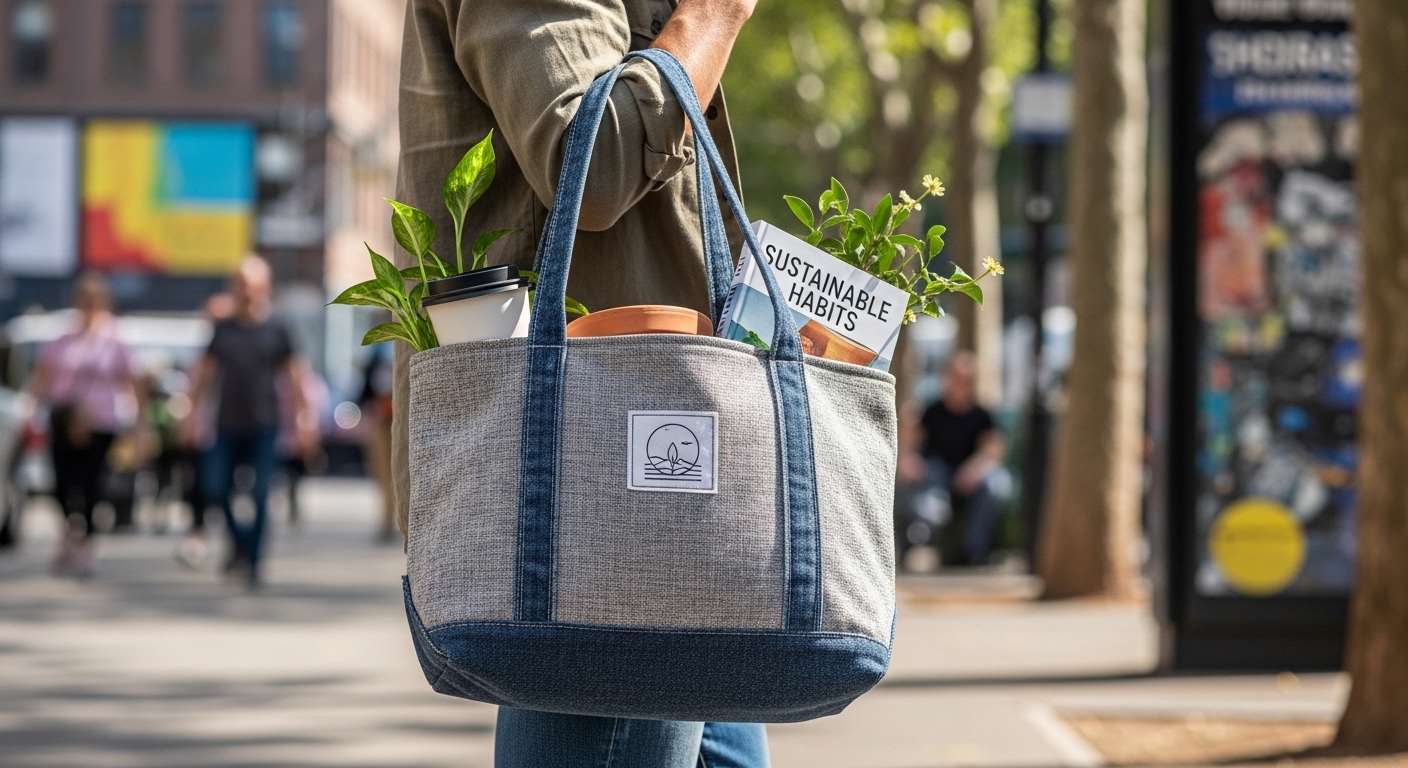

Introduction to Recycled Tote Bags
A recycled tote bag is more than just a reusable carry-all. It represents a shift in how we approach everyday products, moving away from disposable culture and towards thoughtful, sustainable consumption. As environmental awareness continues to grow, consumers are paying closer attention to the materials and lifecycle of the items they use daily. Tote bags made from recycled materials offer a simple yet effective way to reduce waste while maintaining practicality and style.
Unlike conventional bags, a tote bag recycled from existing materials helps minimise environmental impact by reducing landfill waste and lowering the demand for virgin resources. Whether used for shopping, commuting or travel, these bags combine function with responsibility. As more brands embrace sustainability, recycled tote bags are becoming a staple accessory for conscious consumers.
Understanding the Concept of Recycled Tote Bags
What Makes a Tote Bag Recycled?
A recycled tote bag is produced using materials that have already served a previous purpose. These may include discarded textiles, plastic bottles, industrial waste fabrics or surplus materials from manufacturing processes. Instead of being disposed of, these materials are repurposed into durable, functional bags.
The process often involves cleaning, sorting and reprocessing the materials before they are transformed into usable fabric. This approach reduces the need for new raw materials and significantly lowers energy consumption compared to traditional production methods. As a result, a recycled bag not only extends the life of existing resources but also contributes to a more circular economy.
Difference Between Recycled and Upcycled Bags
While often used interchangeably, recycled and upcycled bags are not the same. Recycled bags involve breaking down materials to create something new, whereas upcycled bags retain much of the original material in its existing form.
Upcycled bags often have a unique, handcrafted quality because they are made from repurposed fabrics such as old garments or leftover textiles. On the other hand, a tote bag recycled through industrial processes may offer more uniformity and scalability. Both approaches are valuable, but they serve slightly different purposes within sustainable fashion.
Materials Used in Recycled Tote Bags
Common Recycled Materials
Recycled tote bags are crafted from a variety of materials, each offering different benefits in terms of durability and environmental impact. Some of the most common include recycled cotton, polyester derived from plastic bottles, and reclaimed canvas. These materials are chosen for their strength, longevity and ability to be reprocessed effectively.
Recycled cotton, for instance, reduces the need for water-intensive cotton farming, while recycled polyester helps divert plastic waste from oceans and landfills. By combining these materials, manufacturers can create bags that are both robust and environmentally responsible.
Sustainable Fabric Sourcing
Ethical sourcing plays a crucial role in the production of recycled tote bags. Brands that prioritise sustainability ensure that materials are obtained responsibly, often working with suppliers who follow fair labour practices. This adds another layer of value to the product, as it supports both environmental and social sustainability.
Companies like Pri Pri focus on using existing materials, particularly sustainable Indian fabrics, to create vibrant and durable designs. This approach not only reduces waste but also celebrates traditional craftsmanship and textile heritage.
Benefits of Using a Recycled Tote Bag
Environmental Advantages
The primary benefit of a recycled tote bag lies in its positive environmental impact. By reusing materials, these bags help reduce landfill waste and decrease the demand for new resources. This, in turn, lowers carbon emissions associated with production and transportation.
In addition, using a recycled bag regularly can significantly cut down on single-use plastic consumption. Over time, this small change can contribute to a substantial reduction in environmental pollution, making it a practical choice for eco-conscious individuals.
Durability and Practicality
Recycled tote bags are designed to be strong and long-lasting. Many are reinforced with sturdy stitching and high-quality materials, ensuring they can handle daily use. Whether carrying groceries, books or personal items, these bags offer reliable performance.
Their versatility also makes them suitable for a wide range of uses. From casual outings to professional settings, a well-designed tote bag recycled from durable materials can adapt to different needs while maintaining its structural integrity.
Design and Style in Recycled Tote Bags
Balancing Sustainability with Aesthetics
One of the common misconceptions about recycled products is that they lack style. In reality, recycled tote bags are available in a wide range of designs, colours and patterns. Many brands are proving that sustainability and aesthetics can go hand in hand.
Pri Pri, for example, brings a vibrant and colourful approach to sustainable fashion. Designed in London and crafted from existing materials, their collections reflect a blend of creativity and environmental responsibility. This ensures that customers do not have to compromise on style when choosing eco-friendly options.
Customisation and Unique Appeal
Upcycled bags, in particular, often feature unique patterns and textures due to the nature of their materials. No two bags are exactly alike, which adds a sense of individuality to each piece. This uniqueness appeals to consumers who value originality and craftsmanship.
Recycled tote bags can also be customised with prints, logos or embroidery, making them suitable for personal use or promotional purposes. This versatility enhances their appeal across different markets and audiences.
How Recycled Tote Bags Support a Circular Economy
Reducing Waste Through Reuse
A circular economy focuses on keeping resources in use for as long as possible. Recycled tote bags play a key role in this system by extending the lifecycle of materials that would otherwise be discarded. By transforming waste into functional products, they help close the loop in the production cycle.
This approach reduces the strain on natural resources and minimises environmental degradation. It also encourages innovation in material recovery and recycling processes, paving the way for more sustainable manufacturing practices.
Encouraging Conscious Consumer Behaviour
Choosing recycled tote bags reflects a broader shift in consumer mindset. People are becoming more aware of the impact of their purchasing decisions and are actively seeking products that align with their values.
Brands like Pri Pri contribute to this movement by offering products that are both stylish and environmentally responsible. By promoting the use of recycled materials, they encourage customers to adopt more sustainable habits in their daily lives.
Choosing the Right Recycled Tote Bag
Factors to Consider
When selecting a recycled tote bag, it is important to consider factors such as material quality, size, and intended use. A well-made bag should be durable enough to withstand regular wear and tear while remaining comfortable to carry.
Look for features such as reinforced handles, secure stitching and practical compartments. These elements enhance the functionality of the bag and ensure it meets your specific needs.
Ethical and Sustainable Credentials
It is also worth evaluating the brand’s commitment to sustainability. Transparency in sourcing, production methods and labour practices can indicate whether a product truly aligns with eco-friendly principles.
Pri Pri stands out by focusing on a circular economy and using existing materials to create distinctive designs. Their commitment to sustainability is reflected not only in their products but also in their overall brand ethos.
Caring for Your Recycled Tote Bag
Maintenance and Longevity
Proper care can significantly extend the lifespan of a recycled tote bag. Most bags can be cleaned with mild detergent and cold water, although specific care instructions may vary depending on the material.
Avoid overloading the bag, as excessive weight can strain the handles and seams. Regular maintenance ensures that the bag remains functional and visually appealing over time.
Extending Product Life
Repairing minor damages, such as loose stitching or small tears, can prevent the need for replacement. This aligns with the principles of sustainability by reducing waste and maximising the use of existing products.
By taking care of your recycled bag, you contribute to a more responsible consumption cycle and reduce the environmental impact associated with frequent replacements.
The Future of Recycled Tote Bags
Innovation in Sustainable Materials
The future of recycled tote bags looks promising, with ongoing advancements in material technology. Innovations such as biodegradable fibres and improved recycling methods are expanding the possibilities for sustainable design.
These developments are making it easier for brands to produce high-quality products while maintaining environmental integrity. As technology evolves, recycled tote bags are likely to become even more efficient and accessible.
Growing Demand for Eco-Friendly Products
Consumer demand for sustainable products continues to rise, driving growth in the recycled bag market. This trend is encouraging more companies to adopt environmentally responsible practices and invest in sustainable materials.
As awareness increases, recycled tote bags are expected to become a standard choice rather than a niche product. This shift reflects a broader commitment to sustainability across industries.
Conclusion
A recycled tote bag offers a practical and meaningful way to embrace sustainable living. By choosing products made from recycled and upcycled materials, consumers can reduce waste, conserve resources and support ethical production practices.
With brands like Pri Pri leading the way, it is clear that sustainability does not have to come at the expense of style or quality. Their colourful, thoughtfully designed bags demonstrate how creativity and responsibility can work together seamlessly.
Incorporating recycled tote bags into everyday life is a small change with a lasting impact. As more people adopt eco-conscious habits, these bags will continue to play a vital role in shaping a more sustainable future.