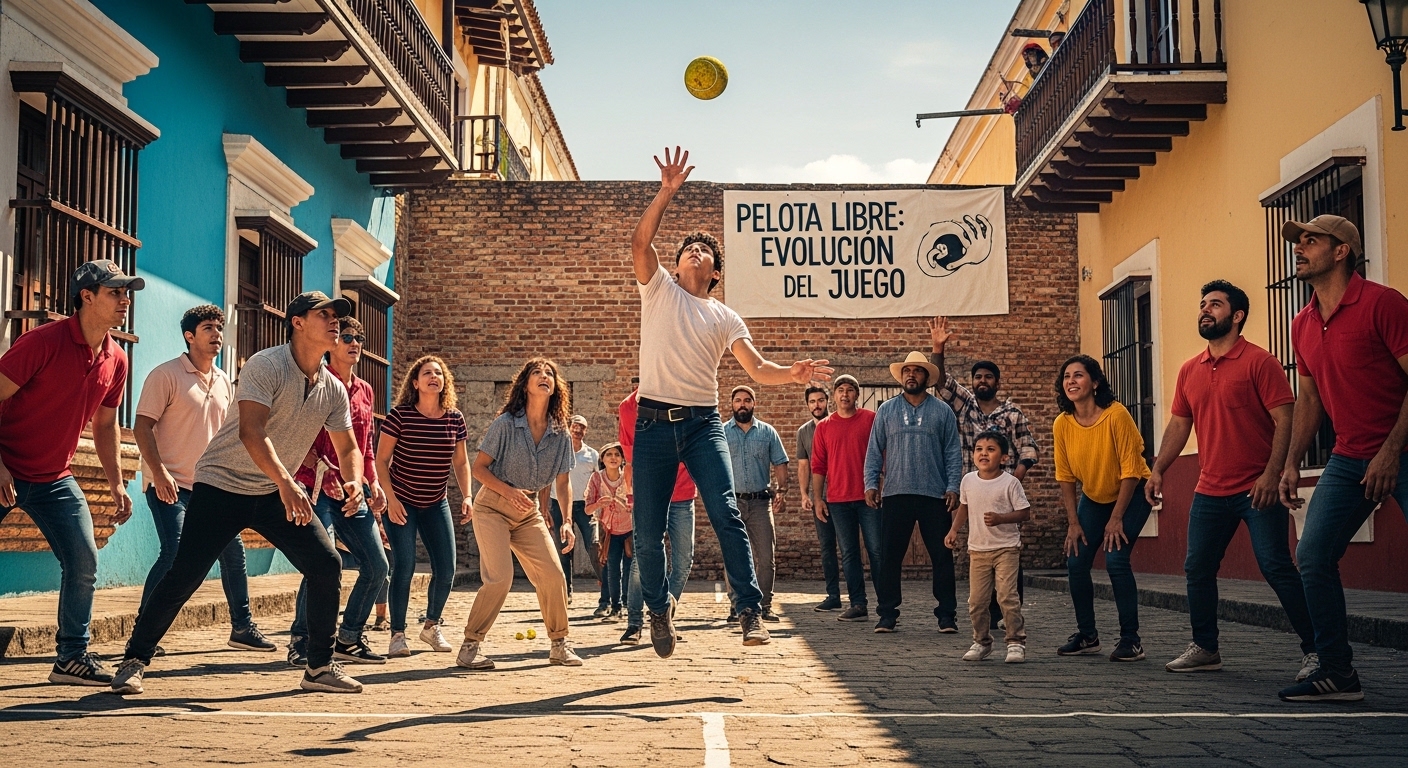

Pelota Libre is more than just a game; it’s a vibrant thread woven into the fabric of Hispanic culture. This traditional sport, often played in lively outdoor settings, brings together communities and generations. As players rally for points, laughter fills the air, creating an atmosphere of joy and camaraderie. But what makes Pelota Libre so special? Its rich history and cultural significance offer fascinating insights into how this game has evolved over time while maintaining its roots. Join us as we explore the origins, rules, adaptations, and impact of Pelota Libre on Hispanic identity and community bonding.
The Origins and History of Pelota Libre
Pelota Libre has deep roots in Hispanic culture, tracing back to indigenous civilizations. These communities played various forms of the game long before European contact. The sport served as both recreation and a means of cultural expression.
As Spanish colonizers arrived, they introduced their own ball games. However, Pelota Libre flourished, blending these influences into a unique tradition that reflects local customs and values.
Throughout the years, Pelota Libre evolved regionally. Variations emerged based on geography and community preferences. Each version brought its flair while maintaining core elements of competition and skill.
The game’s development mirrored societal changes too—adapting during periods of conflict or migration. As people moved across borders, they carried this beloved pastime with them, ensuring its survival across generations.
How the Game is Played
Pelota Libre is a dynamic game that captivates players and spectators alike. Typically played outdoors, it involves two teams competing against each other on a rectangular court.
The objective is straightforward: score points by hitting a ball into the opposing team’s designated area. Each match begins with one team serving the ball, initiating fast-paced rallies filled with energy.
Players rely on agility and strategic positioning to outmaneuver their opponents. They can strike the ball using various body parts, making each play unique. The rules may vary slightly depending on regional practices, adding an element of local flavor to every game.
In some variations, specific skills like teamwork and communication become vital for success. This flexibility allows Pelota Libre to adapt across different communities while preserving its core essence as a unifying sport within Hispanic culture.
Cultural Significance of Pelota Libre in Hispanic Communities
Pelota Libre transcends mere gameplay; it embodies the spirit of Hispanic communities. Rooted in tradition, this game fosters a sense of belonging and identity among players.
Families gather to watch or participate, creating bonds across generations. Children learn not only the rules but also values like teamwork and respect. It’s a shared experience that strengthens community ties.
The game often serves as a backdrop for cultural celebrations and festivals. Music, laughter, and friendly competition fill the air, showcasing vibrant traditions.
Moreover, Pelota Libre acts as a bridge between old and new generations. Elders pass down stories while youngsters bring fresh energy. This intergenerational exchange maintains cultural heritage alive in modern times.
In many ways, Pelota Libre is more than just entertainment; it’s an integral part of everyday life that nurtures unity within diverse Hispanic cultures.
Modern Day Adaptations and Variations of the Game
Today, Pelota Libre has seen a wave of adaptations that bridge tradition with contemporary influences. Urban settings have transformed the way the game is played, introducing new styles and rules to attract younger players.
Communities have embraced technology. Mobile apps track scores and connect players while social media platforms share footage of thrilling matches. This visibility helps foster broader interest.
Variations now include smaller teams and modified court sizes, making it accessible for different age groups. Some versions even incorporate elements from other sports, creating exciting hybrids that resonate with diverse audiences.
Cultural festivals often feature Pelota Libre as part of their activities, celebrating its roots while inviting innovation. This blend keeps the spirit alive in modern contexts while ensuring it remains relevant to today’s youth.
Impact on Hispanic Identity and Community Bonding
Pelota Libre transcends mere recreation; it fosters deep connections within Hispanic communities. The game is often played in neighborhoods, where families gather and share stories while cheering on their favorite players.
This communal environment strengthens cultural ties. It becomes a means of passing down traditions to younger generations, ensuring that the rich heritage remains alive. As children learn the rules and techniques, they also absorb invaluable lessons about teamwork and resilience.
The energy surrounding Pelota Libre creates a vibrant atmosphere filled with laughter and camaraderie. Festivals centered around the game draw large crowds, reinforcing a sense of belonging among participants and spectators alike.
Through shared experiences in playing or watching Pelota Libre, individuals enhance their identity as part of a larger community. This connection nurtures pride in one’s roots while inviting others to celebrate alongside them—regardless of background or origin.
Conclusion
Pelota Libre has woven itself into the fabric of Hispanic culture, transcending generations and geographical boundaries. Its origins reveal a rich history that speaks to resilience and community spirit, showcasing how traditional games can influence social dynamics. The rules may vary, but the core essence remains unchanged: connection through play.
As communities evolve, so does Pelota Libre. Modern adaptations reflect contemporary values while honoring tradition. Variations emerge in urban settings as players incorporate new elements and styles, making it relevant for today’s youth.
The game fosters a sense of belonging among participants and spectators alike. It serves as a platform for cultural exchange and unity in diverse Hispanic communities around the world. The lively atmosphere surrounding matches strengthens ties within neighborhoods and families.
Embracing Pelota Libre means celebrating heritage while nurturing future generations’ love for this vibrant pastime. It’s more than just a game; it’s an enduring symbol of identity that continues to thrive amidst change.
