
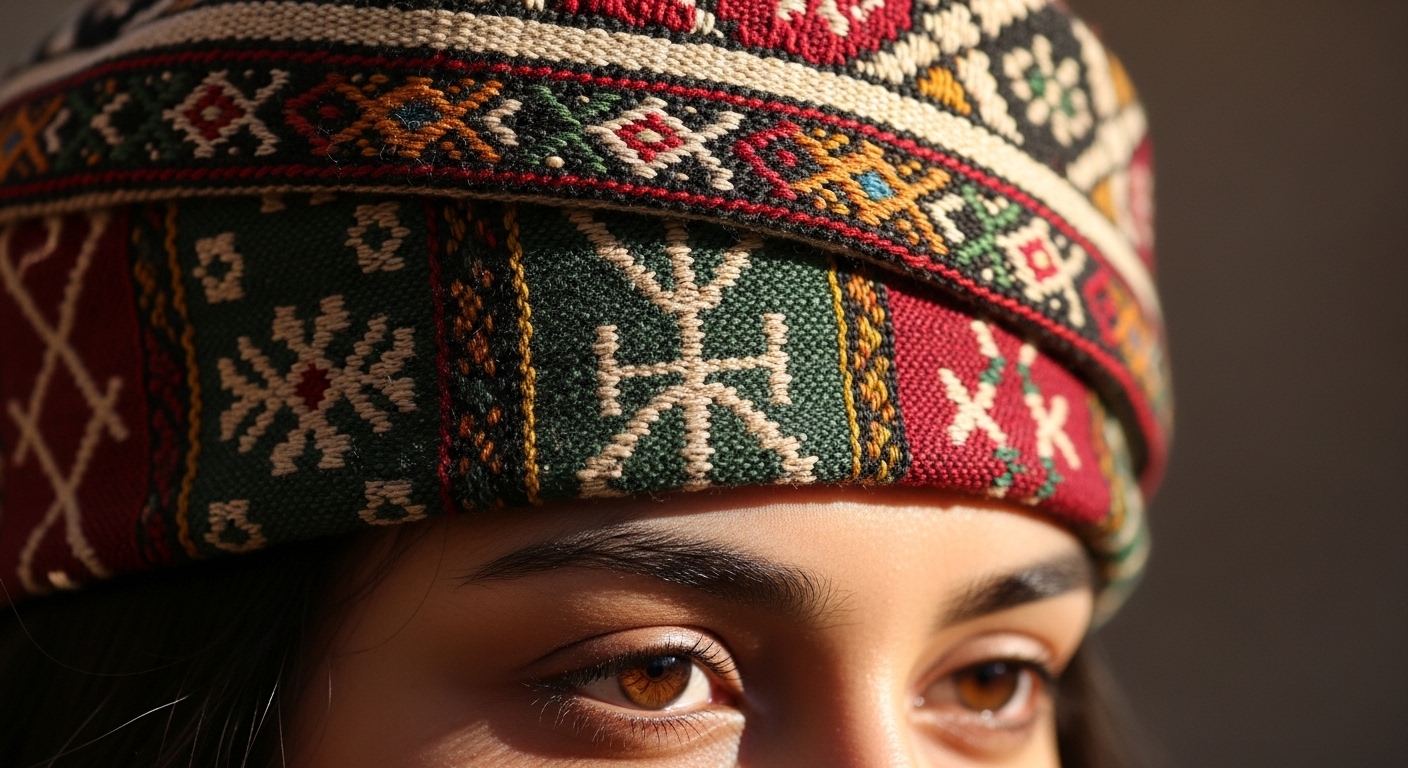

Hitaar is more than just a form of weaving; it’s an intricate tapestry of history, tradition, and personal expression. Originating from rich cultural roots, this unique art form embodies the stories and identities of generations. Each piece tells its own tale, infused with vibrant colors and patterns that reflect the life around us. As we delve into the world of Hitaar, we’ll explore its origins, techniques, cultural significance, and how it’s being adapted in contemporary times. Join us on this journey to uncover the beauty and depth behind every thread woven into Hitaar’s fabric!
History of Hitaar Weaving
The history of Hitaar weaving is rich and vibrant, deeply rooted in the cultures of its origin. This craft dates back centuries, evolving through generations. It embodies the stories and traditions of communities who have practiced it with passion.
Originally, Hitaar was used for practical purposes—table coverings and garments that provided warmth. Over time, artisans began to infuse their creations with intricate patterns that reflected local identities and narratives.
As trade routes expanded, so did the influence of varied techniques from neighboring regions. This exchange enriched Hitaar’s designs while preserving its unique essence.
The role of women has been particularly significant in this art form. They passed down techniques and motifs from mother to daughter, ensuring that personal stories remained woven into every piece produced.
Hitaar is not merely a craft; it represents a living history intertwined with cultural heritage—a testament to resilience and creativity throughout time.
Techniques and Materials Used in Hitaar Weaving
Hitaar weaving showcases a remarkable blend of traditional craftsmanship and modern techniques. Artisans often utilize handlooms, which allow for intricate patterns and designs. This method preserves the authenticity of each piece.
The primary materials used in Hitaar include locally sourced fibers like cotton, silk, and wool. Each fiber brings its own texture and sheen to the final product. Cotton offers breathability, while silk provides luxury; both are essential in creating diverse textiles.
Dyes play a significant role too. Natural dyes derived from plants and minerals create vibrant colors that reflect cultural stories. These hues make every Hitaar creation unique.
Additionally, artisans employ knotting techniques that add depth to their work. Mastering these methods requires years of practice but results in stunning pieces full of character. The combination of technique and material makes Hitaar not just fabric but a narrative woven through time.
Cultural Significance of Hitaar
Hitaar weaving is more than just a craft; it embodies the rich cultural heritage of its origin. Each piece tells a story, reflecting the values and beliefs of the community.
Traditionally, Hitaar was woven for special occasions, symbolizing unity and celebration within families. The intricate patterns often depict local folklore or significant events from history. This deep connection to storytelling makes every creation unique.
Moreover, Hitaar weaving plays a vital role in preserving traditions passed down through generations. Artisans are not merely makers but custodians of their culture’s legacy.
The vibrant colors used also hold meaning, representing various aspects of life such as joy, sorrow, and prosperity. These elements infuse each item with emotional depth that resonates with both creator and consumer alike.
Through Hitaar, communities maintain their identity while adapting to modern influences—showing how tradition can coexist harmoniously with contemporary expression.
The Role of Hitaar in Personal Expression
Hitaar serves as a canvas for personal expression, allowing artisans to infuse their individuality into each piece. The intricate patterns and vibrant colors reflect the weaver’s emotions and experiences.
For many, creating Hitaar is not just about craftsmanship; it’s a means of storytelling. Each design holds significance, often inspired by personal narratives or cultural heritage. This connection transforms textiles into meaningful artifacts.
As contemporary artists explore new themes, Hitaar has adapted to include modern motifs while retaining its traditional essence. This fusion creates unique pieces that resonate with both wearers and admirers.
Whether worn as clothing or displayed as art, Hitaar embodies identity and creativity. It invites conversations about culture, history, and self-expression in every weave. The beauty of this craft lies in its capacity to evolve while remaining deeply rooted in individual stories.
Contemporary Uses and Adaptations of Hitaar
Today, Hitaar finds its way into modern fashion and home decor. Designers blend traditional techniques with contemporary styles, creating pieces that resonate with younger generations.
You’ll spot hitaar patterns on clothing, accessories, and even furniture. This fusion makes the art form appealing to a broader audience. It transforms everyday items into unique statements of heritage.
Social media plays an essential role in this adaptation. Artisans showcase their work online, reaching admirers far beyond their local communities. They share stories behind each piece, fostering appreciation for the craftsmanship involved.
Sustainable practices are also becoming prevalent. Many artisans use eco-friendly materials while preserving age-old methods. This commitment not only honors tradition but also aligns with today’s values of environmental responsibility.
Collaborations between traditional weavers and contemporary artists continue to emerge as well. These partnerships breathe new life into Hitaar weaving, ensuring it remains relevant in today’s fast-paced world.
Conclusion: Preserving the Legacy of Hitaar
Hitaar weaving is more than just a craft; it represents a rich tapestry of history, culture, and personal expression. This traditional art form has stood the test of time, adapting to modern influences while still honoring its roots.
As we celebrate Hitaar, it becomes essential to recognize its role in cultural identity. By preserving these intricate techniques and materials, artisans keep alive stories that span generations. Each piece crafted tells a tale—a connection between the past and present.
Supporting Hitaar means supporting communities that rely on this beautiful craftsmanship for their livelihoods. It encourages new artisans to explore their creativity while respecting tradition. The continued interest in Hitaar can lead to innovative adaptations that resonate with contemporary audiences.
The legacy of Hitaar is not only about maintaining traditions but also embracing change. As society evolves, so too does the artistry behind this unique weaving technique. It invites everyone to partake in its journey—whether through wearing pieces made from it or learning how to create them.
Preserving Hitaar ensures that future generations will appreciate the beauty and significance woven into each thread. It reminds us all of our shared heritage and the importance of keeping such rich traditions alive for years to come.
