
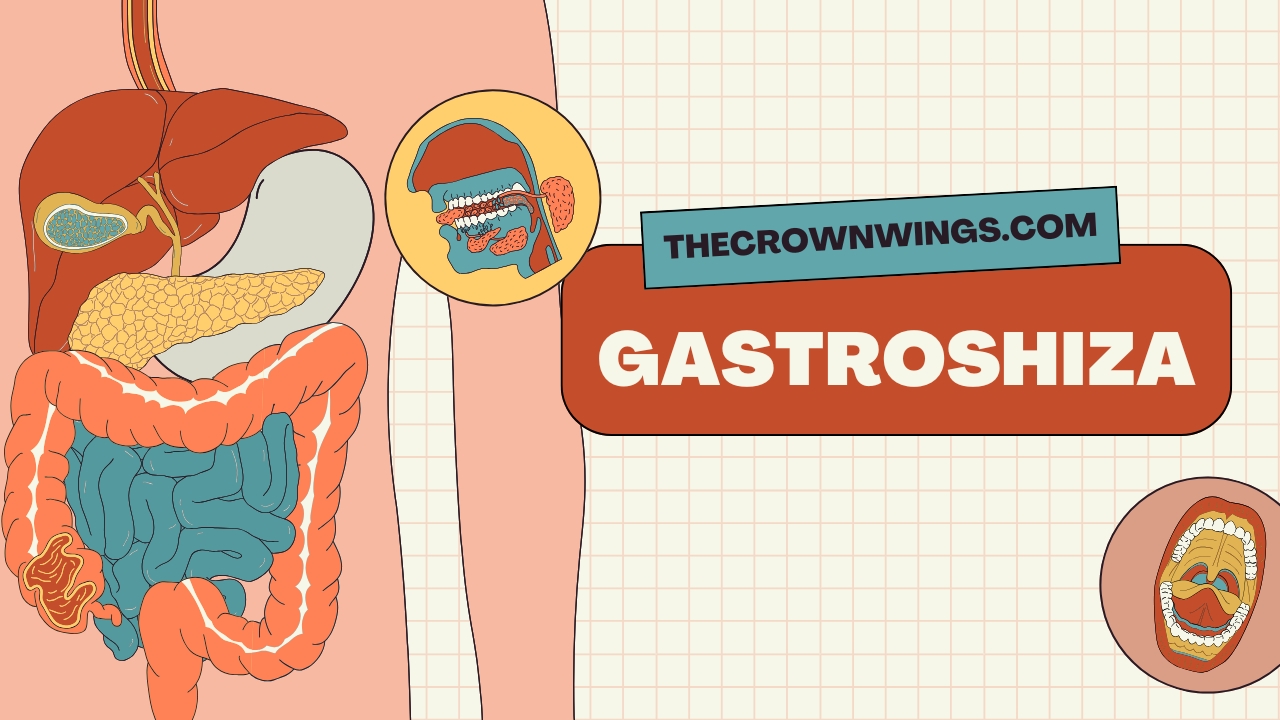

Gastroshiza is a condition that can leave many feeling bewildered. Imagine the surprise and concern when a newborn arrives with their intestines protruding outside the abdomen. This rare congenital defect presents unique challenges for both the infant and their families. Understanding gastroshiza is crucial for effective management and support, especially as it impacts various aspects of health from birth onward.
In this article, we’ll explore what gastroshiza entails—its causes, symptoms, diagnosis methods, treatment options, long-term implications, coping strategies, and preventive measures. Whether you’re a parent seeking answers or simply curious about this intriguing medical phenomenon, you’ll find valuable insights here. Let’s dive into the world of gastroshiza together!
What is Gastroshiza?
Gastroshiza is a rare congenital defect that occurs during fetal development. It leads to the intestines protruding outside of the abdominal cavity through a defect in the abdominal wall. Unlike omphalocele, where organs are covered by a sac, gastroshiza leaves them exposed.
This condition typically affects one in every 2,000 to 3,000 live births. The exact cause remains unclear but may involve genetic and environmental factors during pregnancy.
Infants born with gastroshiza often require immediate medical attention. The severity can vary based on how much intestinal tissue is involved and whether any additional complications arise.
Early diagnosis usually happens via ultrasound imaging before birth or immediately after delivery. Understanding gastroshiza is vital for caregivers as it sets the stage for required interventions and long-term care options.
Causes of Gastroshiza
Gastroshiza occurs when the intestines protrude outside of the abdomen. The exact cause is not fully understood, but several factors are believed to contribute.
Genetic mutations may play a significant role. These changes can affect how abdominal walls develop during pregnancy. This condition often arises in isolation, meaning it isn’t commonly linked with other congenital anomalies.
Environmental factors also come into play. Maternal exposure to certain substances—like drugs or alcohol—might increase risks during early pregnancy.
Nutritional deficiencies could be another factor. A lack of key vitamins and minerals might hinder proper fetal development, impacting organ formation and placement.
Some studies suggest that age may influence risk levels as well. Mothers who are younger or older than average childbearing age face different challenges during gestation that could lead to gastroshiza cases emerging more frequently within those demographics.
Symptoms and Diagnosis
Symptoms of gastroshiza can vary, but they often include a noticeable protrusion of the intestines outside the abdominal wall. This defect may be visible at birth or detected through prenatal imaging.
Infants with gastroshiza might also experience difficulty feeding or digesting food due to the abnormal position of their intestines. Other signs may include irritability, vomiting, and changes in bowel movements.
Diagnosis typically occurs during pregnancy via ultrasound. Radiologists look for specific markers that signal intestinal abnormalities. After birth, healthcare providers confirm the diagnosis through physical examination.
Timely identification is crucial as it allows parents to prepare for potential interventions and care strategies immediately after delivery. Early management can significantly improve outcomes for affected infants.
Treatment Options
Treatment for gastroshiza primarily involves surgical intervention. The timing of the surgery often depends on the infant’s condition at birth.
Surgeons typically perform a procedure to return the protruding intestines into the abdominal cavity. This may happen immediately after delivery or be delayed if complications arise.
In some cases, a technique called silo placement is necessary. Here, doctors use a plastic pouch to gradually guide the intestines back into position over time.
Post-operative care is crucial for healing and preventing infections. Monitoring nutritional needs also plays an important role in recovery since infants with gastroshiza might require special feeding techniques.
Follow-up appointments ensure that any potential issues are addressed promptly and allow healthcare providers to track growth and development effectively. Each patient’s journey will vary based on individual circumstances and response to treatment.
Long-Term Complications
Long-term complications of gastroshiza can significantly impact a child’s quality of life. One common issue is nutritional deficiencies. The intestines may not function properly, making it hard for the body to absorb essential nutrients.
Children with this condition might also face growth delays. Their bodies need adequate nutrition to grow and develop normally; any disruption can hinder that progress.
Another concern is bowel obstruction. Scar tissue from previous surgeries or abnormal adhesion formation can lead to blockages in the intestines over time.
Psychological effects shouldn’t be overlooked either. Children may experience anxiety or low self-esteem due to their condition and its visible manifestations.
Regular follow-ups with healthcare providers are essential for monitoring these complications and ensuring appropriate interventions when necessary. This proactive approach helps manage long-term health effectively, allowing children with gastroshiza a better chance at thriving as they grow older.
