
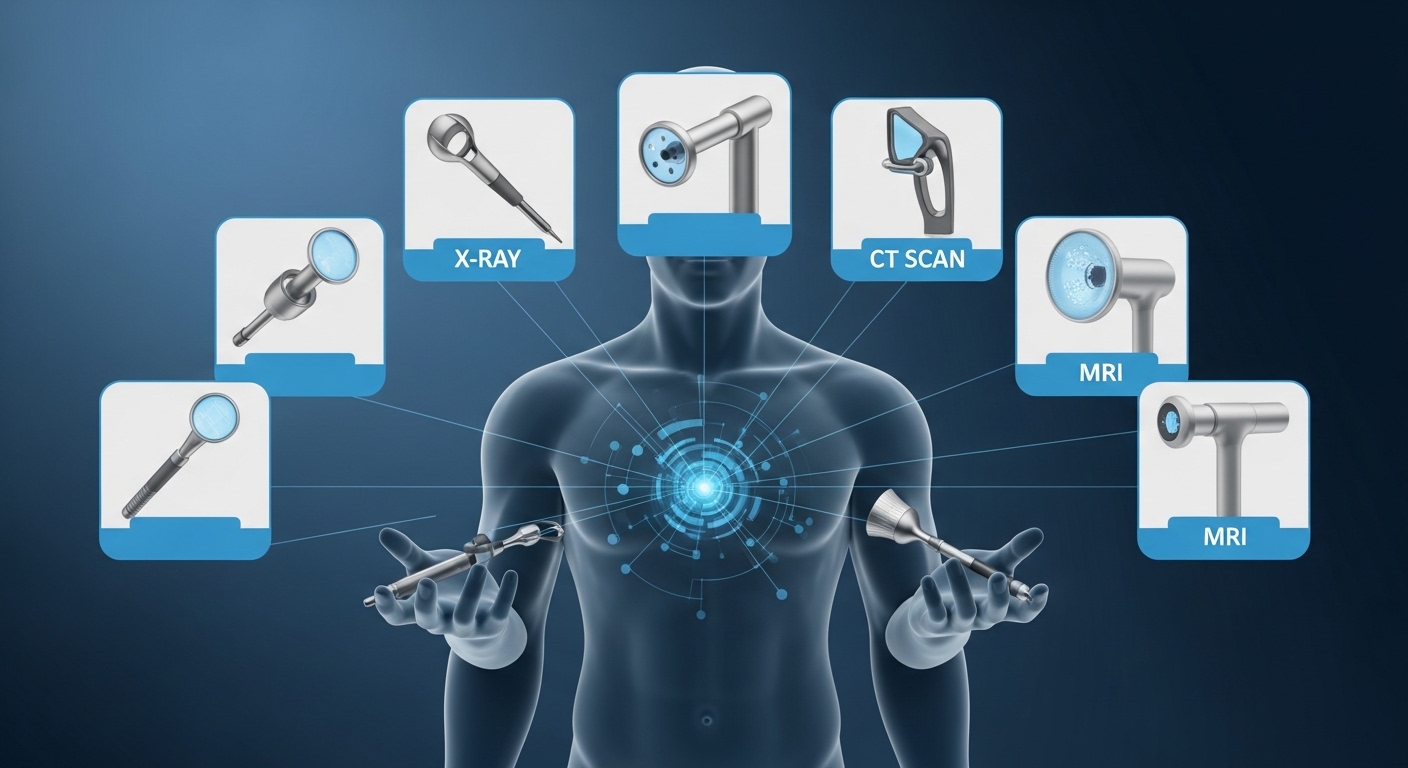

In the ever-evolving world of medicine, understanding what lies beneath the surface of our bodies is crucial. This is where Diag Image steps in as a game-changer. Imagine peering inside without any invasive procedures—it’s like having X-ray vision! From identifying fractures to spotting tumors, these advanced techniques provide invaluable insights into our internal health.
With various types of Diag Image available today, healthcare professionals can make more accurate diagnoses and tailor treatments better than ever before. As technology advances, so too do the possibilities for diagnosing illnesses early and effectively. Dive into the fascinating realm of diag image technologies that are reshaping modern healthcare and uncover how they impact patient care every day.
The Different Types of Diagnostic Imaging Techniques
Diagnostic imaging techniques come in various forms, each designed to examine the body’s internal structures. X-rays are among the most common. They use radiation to create images of bones and certain organs, allowing for quick assessments.
Ultrasound is another vital tool. It employs sound waves to produce real-time images, often used during pregnancy or for examining soft tissues. Its non-invasive nature makes it a preferred option for many clinicians.
Magnetic Resonance Imaging (MRI) provides detailed images without using ionizing radiation. This technique excels in visualizing brain and spinal cord conditions due to its high-resolution capabilities.
Computed Tomography (CT) scans combine multiple X-ray images taken from different angles, producing cross-sectional views of the body. This method offers a wealth of information about various medical issues.
Positron Emission Tomography (PET) scans reveal metabolic processes by detecting gamma rays emitted after injecting a radioactive substance into the bloodstream.
Benefits and Advantages of Diagnostic Imaging
Diagnostic imaging offers unparalleled insights into the human body. It allows healthcare providers to visualize internal structures without invasive procedures.
One significant advantage is early detection. Conditions like tumors or fractures can be identified quickly, improving treatment outcomes.
Additionally, diagnostic imaging enhances precision in medical interventions. Surgeons rely on detailed images to plan operations and minimize risks during procedures.
Patient comfort is another benefit. Many imaging techniques are non-invasive and require little preparation, which reduces anxiety for patients.
Moreover, advancements in technology have made these tools more accessible than ever before. High-resolution images allow for better diagnostic accuracy, ensuring that patients receive appropriate care tailored to their needs.
The integration of digital platforms facilitates easy sharing of images among specialists for collaborative decision-making. This teamwork leads to comprehensive care plans that prioritize patient health and well-being.
Common Uses for Diagnostic Imaging in Medical Diagnosis
Diagnostic imaging plays a crucial role in modern medicine. It helps healthcare professionals assess and diagnose various conditions effectively.
One of the most common uses is detecting fractures in bones. X-rays provide quick insights, allowing for immediate treatment decisions.
Another significant application is identifying tumors or masses within soft tissues. MRI scans offer detailed images, helping doctors differentiate between benign and malignant growths.
Cardiac assessments also benefit from diagnostic imaging. Echocardiograms allow for real-time observation of heart function, guiding treatments for cardiovascular diseases.
Additionally, diagnostic imaging aids in monitoring chronic illnesses like diabetes. Regular ultrasound exams can track changes in organs such as the kidneys or liver over time.
These versatile techniques empower medical practitioners to make informed decisions based on accurate visual data, ultimately enhancing patient outcomes and care quality.
Limitations and Risks of Diagnostic Imaging
Diagnostic imaging plays a crucial role in modern medicine, yet it is not without limitations and risks. One concern is exposure to radiation, particularly with X-rays and CT scans. While the doses are generally low, repeated exposure can accumulate over time.
Another issue involves the potential for misinterpretation of images. Even experienced professionals may overlook subtle signs or make errors in diagnosis. This can lead to unnecessary treatments or missed conditions.
Cost also poses a barrier; advanced imaging techniques like MRIs can be expensive and may not be accessible to all patients. Insurance coverage varies widely, affecting patient access.
Some individuals experience anxiety related to procedures or waiting for results. The psychological impact should not be underestimated as it affects overall well-being during diagnostic processes.
Innovative Technologies and Advancements in Diagnostic Imaging
Recent advancements in diagnostic imaging are revolutionizing the way we view and analyze internal structures. Techniques like 3D mammography provide clearer images, enhancing early detection rates for breast cancer.
Artificial intelligence is making waves too. AI algorithms can now assist radiologists by identifying anomalies faster than ever before. This technology improves accuracy and speeds up diagnosis.
Another exciting development is functional MRI (fMRI), which allows physicians to observe brain activity in real-time. It’s a game changer for understanding neurological disorders.
Moreover, portable imaging devices are becoming more common, making diagnostics accessible outside traditional settings. These innovations empower healthcare providers to deliver timely care wherever needed.
As these technologies evolve, they promise even greater precision and efficiency in diagnosing medical conditions, transforming patient outcomes across the board.
Conclusion: The Importance of Diagnostic Imaging in Modern Medicine
Diagnostic imaging plays a crucial role in modern medicine. It enables healthcare professionals to visualize the internal structures of the body, leading to accurate diagnoses and effective treatment plans. With advancements in technology, diagnostic imaging has become increasingly precise and accessible.
The ability to detect conditions early can significantly improve patient outcomes. Whether through X-rays, MRIs, or CT scans, each technique offers unique insights that are vital for understanding complex medical conditions.
As we continue to innovate within this field, it’s evident that diagnostic imaging will remain an indispensable tool for physicians and patients alike. Its impact on improving health care standards cannot be overstated; Diag Image is truly at the forefront of advancing medical science and enhancing patient care.
